How to start your own sportswear clothing brand
A practical route from idea to first production run: choosing a sportswear niche, defining a small first collection, choosing fabrics, briefing performance needs, sampling and sizing your first order.
On this page
- Choose a niche you can describe in one sentence
- Define a small first collection
- Choose fabrics for the activity, not the photo
- Write down your performance requirements
- Turn ideas into a specification
- Plan branding and customisation
- Sample before you commit to bulk
- Size your first production run
- Plan the launch around production
- A simple checklist
Sportswear looks like an easy category to enter: everyone wears it, and a polyester jersey seems simple to make. In practice it is one of the more technical corners of apparel. Fabrics behave differently from cotton, decoration methods depend on fibre content, and the people who buy sportswear notice quickly when a garment does not move, breathe or wash the way they expect.
This guide walks through the decisions in the order a manufacturer will ask about them — from choosing a niche to planning the launch of your first run.
Choose a niche you can describe in one sentence
"Sportswear" is not a niche. "Training wear for amateur boxing gyms" is. "Lightweight running tops for women who run in hot climates" is. A narrow niche tells you which garments to make first, which fabric properties matter and where your first customers already gather.
Useful questions when you choose:
- Who exactly wears it, and doing what? A five-a-side football team, a cycling club, a yoga studio and a golf society need very different garments.
- Is it performance wear, teamwear or athleisure? Performance wear is judged on function, teamwear on durability and personalisation, athleisure on look and comfort.
- How do they buy? Teams and clubs buy in batches with names and numbers; individual athletes buy one piece at a time online.
- What are they unhappy with today? Fit, sizing range, fabric feel, minimum quantities and slow re-orders are the usual answers — and the best openings for a new brand.
Define a small first collection
Most new sportswear brands launch with too many styles. Every extra style adds a pattern, a sample round, a size set and stock you have to sell. A focused first drop is easier to develop, cheaper to sample and quicker to learn from.
| Niche | A realistic first collection |
|---|---|
| Gym and training | Training T-shirt, shorts, joggers, hoodie |
| Running | Lightweight top, shorts, long-sleeve layer |
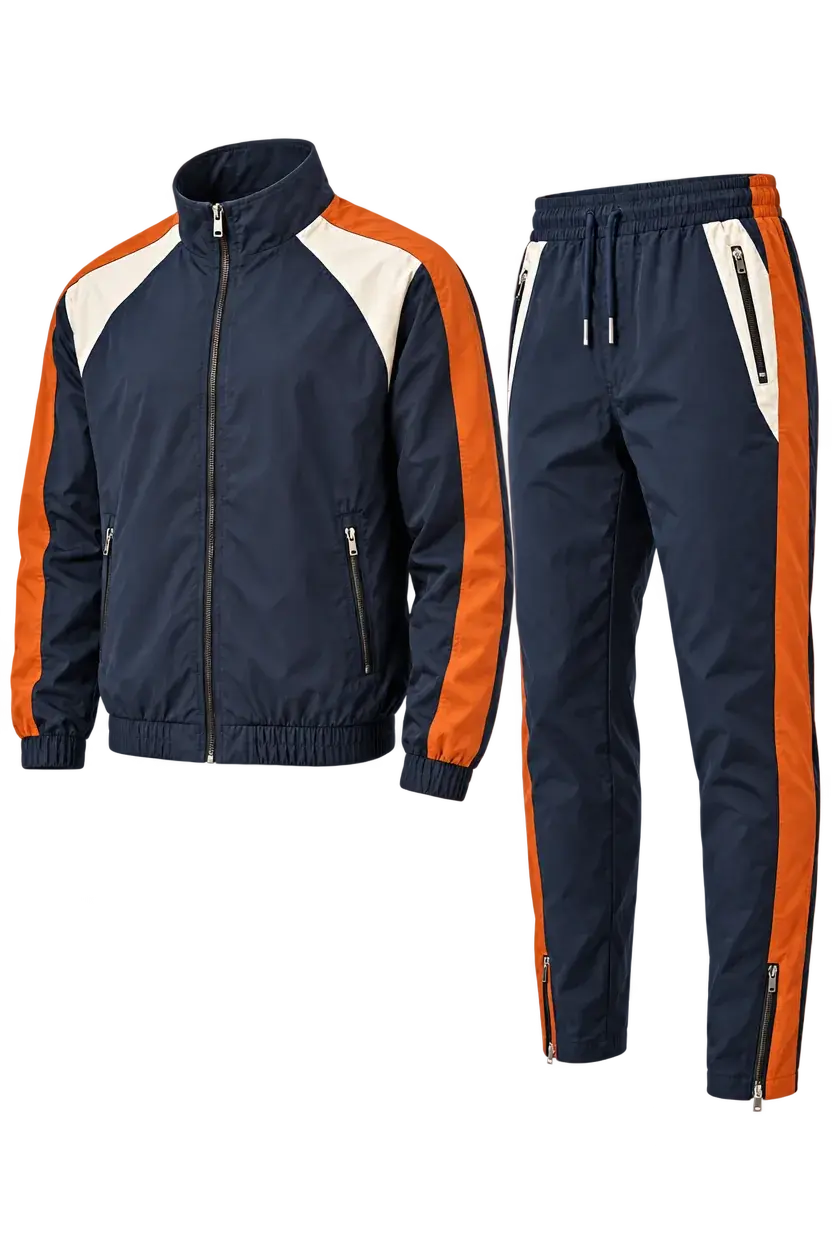
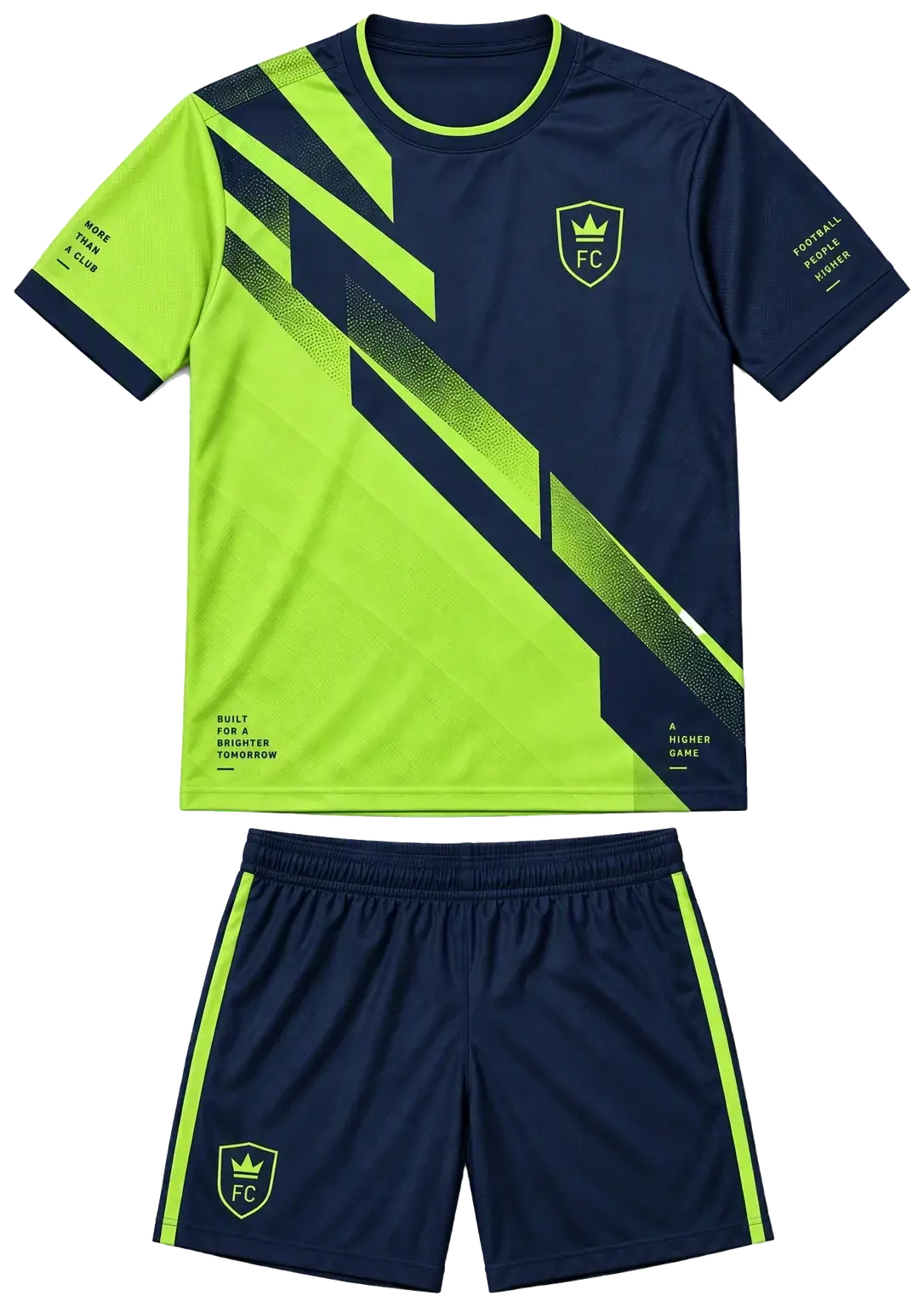
| Team sports | Match jersey, shorts, training top, tracksuit |
| Golf and racket sports | Polo shirt, shorts or skirt, quarter-zip layer |
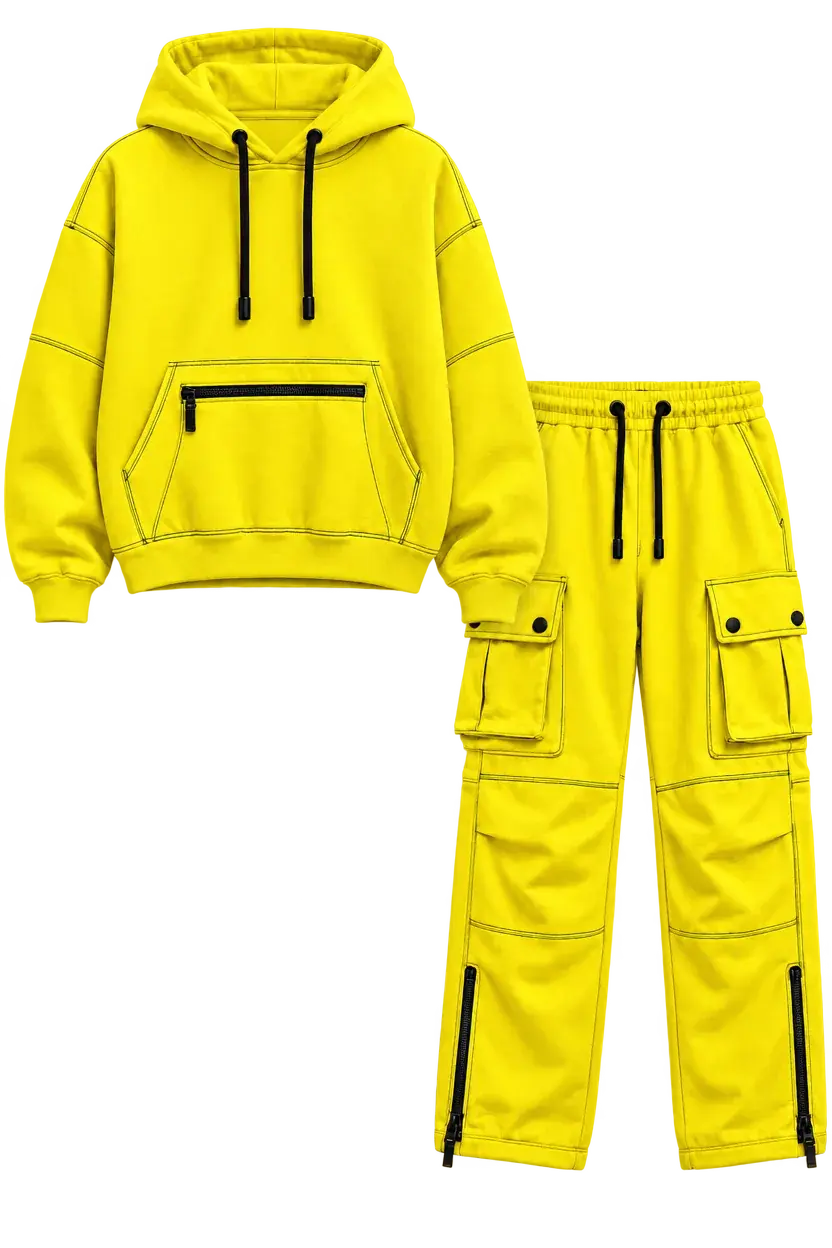
| Athleisure | Hoodie, joggers, T-shirt in a coordinated colourway |
Three to five styles in one or two colourways is usually enough to test a brand. You can widen the range once you know which pieces sell.
Choose fabrics for the activity, not the photo
Fabric is the decision that most separates sportswear from everyday clothing. Start from what the wearer does, then choose the fibre and the knit.
- Polyester and polyester blends dry quickly, hold their shape and take sublimation printing, which is why most match jerseys and running tops use them.
- Elastane (spandex) blends add stretch and recovery for fitted garments such as leggings, compression layers and cycling tights.
- Cotton and cotton-rich blends feel soft and familiar but hold moisture, so they suit athleisure, warm-ups and gym wear more than high-intensity sport.
- Fleece and French terry are the usual choices for hoodies, joggers and tracksuits worn before and after training. Our fleece vs French terry guide explains the difference.
Fabric weight matters as much as fibre. A heavy jersey feels premium on a hanger but uncomfortable in a match; a very light one can look thin under stadium lights. Ask to handle swatches in more than one weight — our GSM guide explains how weight is measured.
Write down your performance requirements
"Breathable" and "quick-dry" mean little until they are tied to how the garment will be used. Before you brief a manufacturer, write down what the garment must do in plain terms:
- How hot and how hard is the activity, and for how long?
- Does the garment need stretch? In which directions?
- How often will it be washed, and at what temperature?
- Does it need to work under or over other layers?
- Are there league, club or event rules on colours, numbers or logo sizes?
Performance properties come from the fabric, so they should be confirmed by the fabric's own specification or test data — not by a marketing description. If a property is critical to your brand, ask for that data when fabric options are proposed, and judge the sample on it.
Turn ideas into a specification
A manufacturer can quote and sample from very different starting points: a finished tech pack, sketches with measurements, or a reference garment you want to improve. The more precise the starting point, the fewer sample rounds you need.
For sportswear, make sure your specification covers:
- Fit and measurements for every size you plan to sell — see how to measure garments.
- Seams and construction, such as flatlock seams where comfort against the skin matters.
- Fabric — fibre content, weight and colour for each panel.
- Trims — zips, drawcords, elastic, reflective details.
- Artwork positions and sizes for every logo, name and number.
If you do not have a tech pack yet, our guide on how to prepare a tech pack shows what a factory reads first.
Planning your first sportswear collection?Start an RFQ
Plan branding and customisation
Decoration in sportswear depends on the fabric:
- Sublimation dyes the design into polyester fabric, so all-over patterns, gradients and full-colour jerseys are possible without a heavy print on top.
- Screen printing suits bold, flat-colour logos on cotton and many blends.
- Heat transfer is common for names and numbers.
- Embroidery works well for crests and logos on polos, jackets and heavier fabrics. See printing vs embroidery for how to choose.
Your brand also lives in the details: woven or printed neck labels, care labels, hangtags and packaging. Decide these early, because trims are often produced by separate suppliers with their own minimums.
For teamwear, personalisation is part of the product. At LOMERAQ, different player names and numbers can be produced within the same order.
Sample before you commit to bulk
A sample is where your specification meets reality. Expect to check fit on a real person, wash the garment, test the decoration and compare the colour against your reference before approving anything.
At LOMERAQ, sample development takes a minimum of 1–2 weeks. Treat that as a planning minimum, not a delivery promise: complexity and revisions extend it. The sample fee is quoted per product and branding, and it is credited against a bulk order of 150 pieces or more. We pay sample shipping, and sample production starts once the 50% deposit is received. Our sample vs bulk guide explains what changes between the two.
Size your first production run
Order for the sales you can realistically make in a season, not for the lowest unit price. Unsold stock is the most expensive discount a new brand ever takes.
At LOMERAQ the minimum is 25 units per order, split across sizes as you need. That makes it possible to test a style — or kit out a team — without a large commitment. Two things can still add minimums underneath a low order quantity:
- Custom-dyed fabric may carry a mill dye-lot minimum; stock colours avoid it.
- Custom trims and packaging such as woven labels and printed bags are made by trim suppliers with their own minimums.
Ask for every such minimum to be stated in the quotation. Our guide to clothing MOQ explains how they work.
Plan the launch around production
Work backwards from your launch date and leave room for the steps that brands most often underestimate:
- Specification and fabric choice.
- Sampling, including at least one revision round.
- Sample approval and payment of the deposit for bulk.
- Bulk production — timing depends on quantity and scope and is quoted per project.
- Shipping, import duties and VAT in your country, which the buyer handles. See import duty on clothing from Pakistan.
- Photography and content — approved samples are useful for this while bulk is in production.
Payment terms at LOMERAQ are two instalments: 50% on order confirmation and the remaining 50% before shipment, for both sample and bulk orders. Quotations are valid for one week.
A simple checklist
- One-sentence niche and a clear first customer.
- Three to five styles in one or two colourways.
- Fabric chosen for the activity, with weight confirmed on swatches.
- Written performance requirements.
- Measurements and artwork positions for every style.
- Decoration method matched to the fabric.
- Approved, washed and worn samples.
- A first order sized to realistic sales.
When you are ready, you can request a quote with your designs, sketches or a reference garment, or ask can you make this? if you are not sure your idea is manufacturable yet.
Planning your first sportswear collection?
Share your designs, a reference garment or a tech pack with LOMERAQ to discuss fabrics, decoration and quantities.
From 25 units · samples min. 1–2 weeks · every request read by a technical reviewer